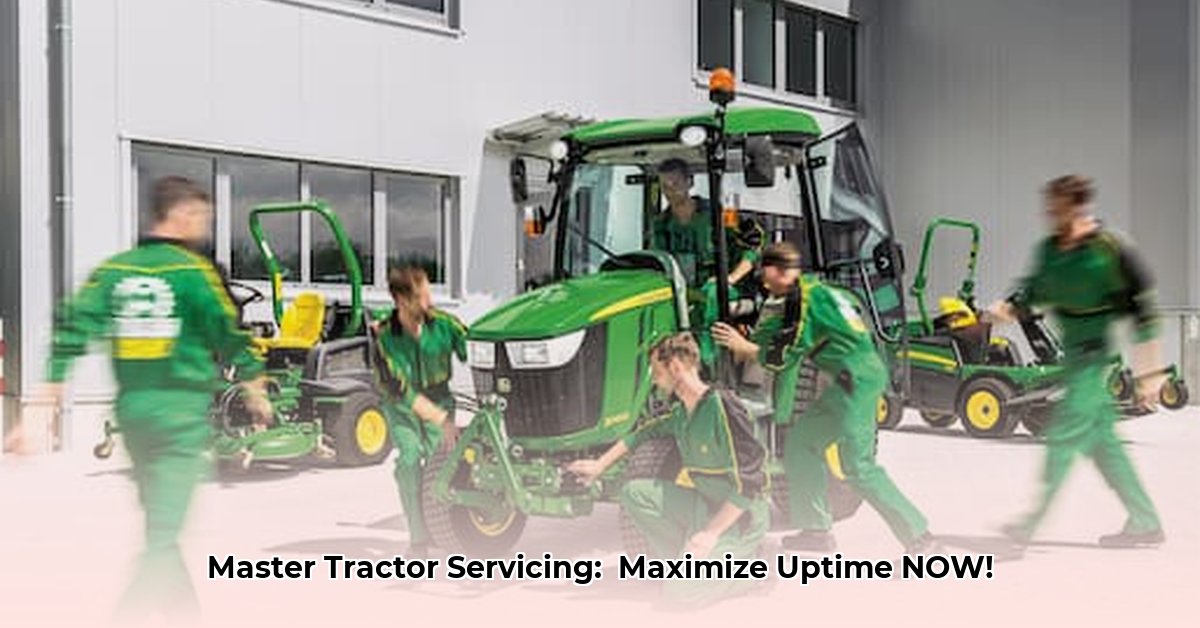
Understanding Your Tractor's Needs
Knowing your tractor's specifics is the first step to effective maintenance. What make and model is it? How old is it? This information, often found on a plate near the driver's seat, dictates the recommended service schedule detailed in your owner's manual (a document you should consult frequently). Preventative maintenance is far more cost-effective than emergency repairs; a small investment in regular care saves significantly in the long run. The size and workload of your tractor also influence maintenance needs; a small garden tractor requires less attention than a large agricultural tractor pulling heavy loads. Regularly checking your manual and being aware of your tractor's work will ensure you perform the correct preventative maintenance for years to come. For expert tractor service, check out Mike's Tractor Service.
Basic Preventative Maintenance: Keep It Running Smoothly
Regular maintenance is crucial for preventing costly breakdowns and maximizing your tractor's lifespan. Here are some essential tasks:
Oil Changes: Follow your owner's manual for oil type and change frequency. Use the correct tools and dispose of old oil properly. Replace the oil filter simultaneously. This critical step keeps the engine lubricated, preventing wear and tear.
Filter Replacements: Regularly replace air, fuel, and hydraulic filters. Clogged filters restrict airflow and fuel flow, leading to decreased performance and potential engine damage. Clean or replace them based on your owner's manual recommendations.
Fluid Level Checks: Regularly check levels of transmission fluid, hydraulic fluid, coolant, and engine oil. Low fluid levels signal potential leaks that should be addressed by a professional to avoid major damage.
Lubrication: Lubricate moving parts (joints, hinges, etc.) with appropriate grease, following your owner's manual recommendations. This reduces friction, extends component lifespan, and prevents premature wear.
Safety First! Always disconnect the battery before working on electrical components. Use proper lifting techniques when handling heavy parts. Always wear appropriate safety glasses and gloves.
Troubleshooting Common Issues: Addressing Problems Before They Escalate
Even with regular maintenance, problems can arise. Early identification can prevent small issues from becoming costly repairs.
Engine Starting Difficulties: If your tractor won't start, first check the battery terminals for corrosion (clean them if necessary), then ensure a sufficient fuel supply. A faulty starter motor often requires professional attention.
Hydraulic Leaks: Locate any hydraulic fluid leaks precisely. Small leaks might indicate a damaged seal or hose (potentially a simple fix), while larger leaks usually demand professional help to prevent significant hydraulic failure.
Unusual Noises: Unusual noises (knocking, grinding, squealing) indicate potential problems. Identify the source and try to pinpoint the affected component. If unsure, seek expert advice.
If you can't diagnose or fix the problem yourself, call a qualified mechanic.
Finding a Reputable Tractor Mechanic: Choosing the Right Partner
Selecting a reliable repair service is crucial for minimizing downtime and ensuring quality repairs. Consider these factors:
Experience and Certifications: Choose a mechanic with experience servicing your tractor's make and model. Certifications demonstrate professional competence and adherence to industry standards.
Response Time: Quick response times are vital, especially during busy seasons. Inquire about their typical turnaround times.
Pricing: Obtain quotes from multiple providers and compare pricing for similar services. Beware of unusually low prices, which may indicate lower quality work.
Customer Reviews: Check online reviews and testimonials to gauge customer satisfaction and identify any recurring issues.
Insurance and Licensing: Ensure the repair service is properly insured and licensed to operate in your area. This protects you in case of accidents or damages.
Rhetorical Question: Isn't minimizing downtime crucial for maximizing your farm's productivity and profitability?
Quantifiable Fact: Regular maintenance can extend your tractor's lifespan by up to 25%, according to industry studies.
Human Element: "Choosing the right mechanic is like choosing the right doctor for your family – you need someone trustworthy and experienced," says John Miller, owner of Miller's Tractor Repair.
A comprehensive checklist, comparing factors like experience, certifications, response time, pricing, and customer reviews, will assist in making an informed decision. This process is vital for finding a trustworthy on-site repair service.